


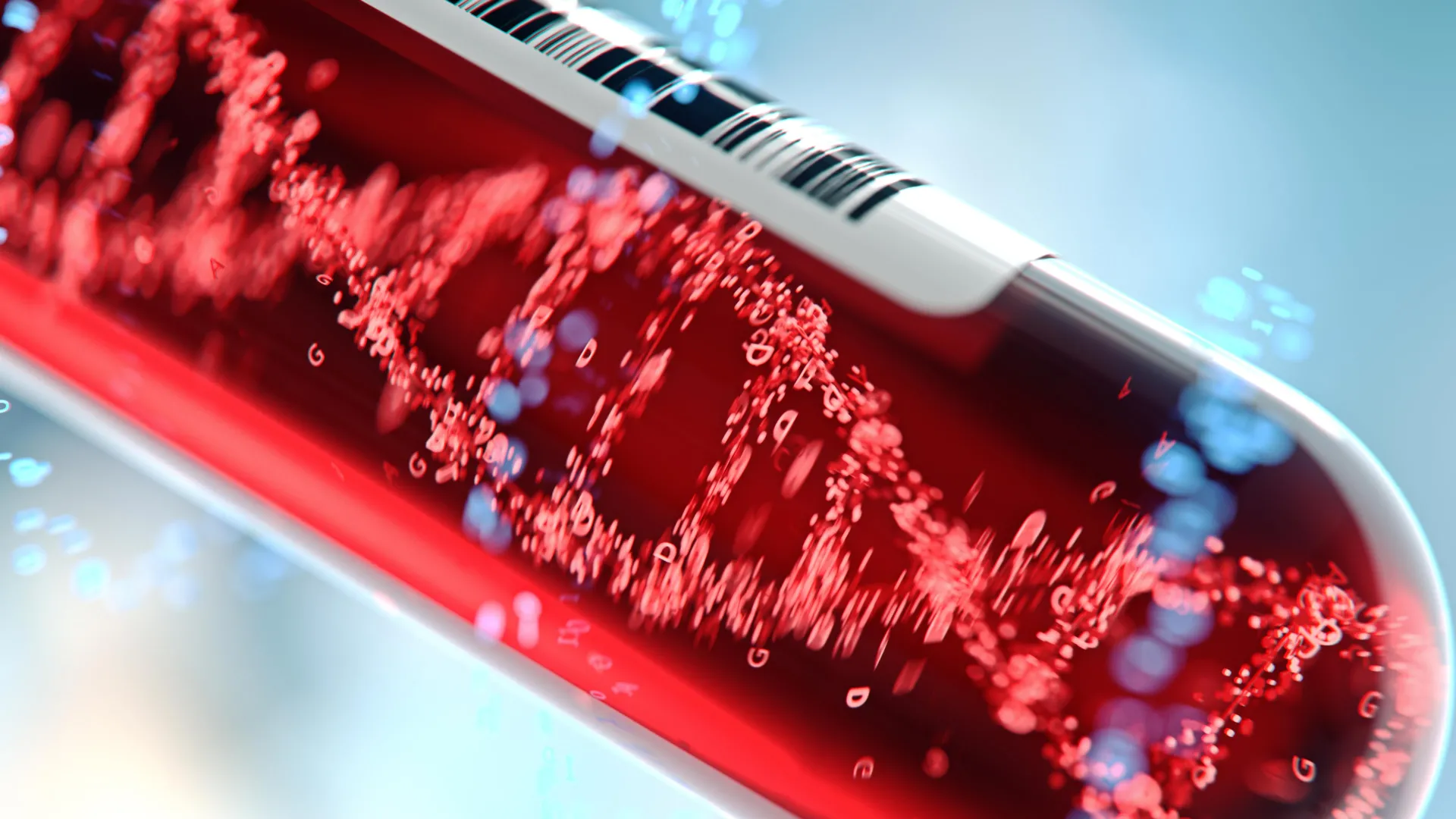
Researchers at the Johns Hopkins Kimmel Cancer Center have achieved a significant breakthrough in diagnostic medicine with the development of an artificial intelligence (AI) driven liquid biopsy that analyzes genome-wide patterns of cell-free DNA (cfDNA) fragments circulating in the blood. This innovative test examines the intricate ways these DNA pieces fragment and their distribution across the entire genome. By leveraging this detailed information, the system has demonstrated the capability to identify early signs of liver fibrosis and cirrhosis, with promising potential to detect broader indicators of chronic diseases.
A Paradigm Shift in Chronic Disease Detection
The study, a pivotal project partly funded by the National Institutes of Health, was published on March 4 in the prestigious journal Science Translational Medicine. This marks a groundbreaking moment, representing the first systematic application of this advanced DNA fragmentation analysis, termed fragmentome technology, to the detection of chronic diseases entirely unrelated to cancer. Previously, this sophisticated approach had been primarily explored as a potential method for identifying cancerous tumors. The implications of this expansion are vast, offering a new frontier in proactive healthcare and disease management.
For decades, the medical community has sought more sensitive and less invasive methods for diagnosing chronic conditions, particularly those that progress silently in their early stages. Liver fibrosis, a condition characterized by the scarring of liver tissue, is a prime example. In its nascent stages, liver fibrosis is often reversible with timely intervention. However, without early detection, it can inexorably advance to cirrhosis, a severe and irreversible form of liver damage, significantly elevating the risk of liver cancer and other life-threatening complications. Current diagnostic tools, while valuable, often fall short in detecting fibrosis at its earliest, most treatable stages, leaving millions at risk of severe health outcomes.
Deciphering the Genome-Wide DNA Fragment Landscape
While liquid biopsies that measure cfDNA have already shown considerable promise in the realm of cancer detection, their potential for diagnosing a wider spectrum of illnesses has remained largely underexplored. This new research from Johns Hopkins has systematically addressed this gap. The investigative team performed comprehensive whole genome sequencing on cfDNA samples obtained from a cohort of 1,576 individuals who had been diagnosed with liver disease and a variety of other medical conditions. The core of their methodology involved meticulously examining DNA fragments across the entirety of the genome, actively searching for subtle yet significant patterns that could serve as telltale signs of disease.
The researchers delved into an unprecedented level of detail, analyzing not only the size of these cfDNA fragments but also their precise distribution throughout the genome. Crucially, their analysis included repetitive DNA regions, areas that have historically been challenging to study and have often been overlooked in genomic research. Each individual’s cfDNA sample yielded an immense dataset, comprising approximately 40 million fragments that spanned thousands of distinct genomic regions. This scale of data collection and analysis far surpasses that of most existing liquid biopsy tests, providing a rich and nuanced picture of an individual’s genomic landscape.
The Power of Artificial Intelligence in Pattern Recognition
The sheer volume and complexity of the generated data necessitated the application of advanced analytical tools. Machine learning algorithms were employed to process this information, enabling the identification of specific fragmentation patterns that were demonstrably linked to various disease states. By training these algorithms on these identified patterns, the researchers were able to develop a robust classification system. This system proved highly effective, detecting early liver disease, advanced fibrosis, and cirrhosis with remarkable sensitivity and accuracy.
Dr. Victor Velculescu, M.D., Ph.D., a leading figure in the field and co-director of the cancer genetics and epigenetics program at the Johns Hopkins Kimmel Cancer Center, emphasized the significance of this advancement. "This builds directly on our earlier fragmentome work in cancer, but now using AI and genome-wide fragmentation profiles of cell-free DNA to focus on chronic diseases," Dr. Velculescu stated. "For many of these illnesses, early detection could make a profound difference, and liver fibrosis and cirrhosis are important examples. Liver fibrosis is reversible in its early stages, but if left undetected, it can progress to cirrhosis and ultimately increase the risk of liver cancer." His remarks underscore the potential for this technology to fundamentally alter the trajectory of patient care for millions worldwide.
A Novel Approach: Beyond Single Mutations
The fragmentome approach distinguishes itself significantly from many existing liquid biopsy methods. Rather than focusing on the detection of specific cancer-related gene mutations, which are often indicative of oncological conditions, this new method centers on the biophysical characteristics of DNA fragmentation – how DNA fragments are cut, packaged within cellular components, and subsequently released into the bloodstream. According to the research team, this broader, holistic view of the genome’s fragmentation landscape makes the methodology uniquely applicable to a wide range of conditions beyond cancer, including those chronic diseases that can, over time, elevate an individual’s risk of developing cancer.
Dr. Robert Scharpf, Ph.D., professor of oncology, and Dr. Jill Phallen, Ph.D., assistant professor of oncology, co-led this pivotal study alongside Dr. Velculescu, contributing their expertise to its successful execution.
Akshaya Annapragada, an M.D./Ph.D. student in Dr. Velculescu’s lab and the study’s first author, elaborated on the revolutionary nature of this technique. "The fact that we are not looking for individual mutations is what makes this study so powerful," Annapragada explained. "We are analyzing the entire fragmentome, which contains a tremendous amount of information about a person’s physiologic state. The scale of these data, coupled with machine learning, enables development of specific classifiers for many different health conditions." This highlights the transformative potential of leveraging vast datasets and advanced AI to unlock deeper biological insights.
Addressing a Critical Public Health Need: Liver Disease
The statistics surrounding liver disease in the United States paint a stark picture of the public health challenge. Dr. Velculescu noted that an estimated 100 million people in the United States are living with liver conditions that place them at increased risk of developing cirrhosis and liver cancer. Current blood-based tests for liver fibrosis, while commonly used, often exhibit limitations in sensitivity, particularly during the initial phases of the disease. Standard blood markers frequently fail to detect early-stage fibrosis and can identify cirrhosis in only about half of all cases. While advanced imaging techniques, such as specialized ultrasound or magnetic resonance scans, can offer valuable insights, these methods rely on specialized equipment that may not be readily accessible to all patients, especially in underserved communities or resource-limited settings.
"Many individuals at risk don’t know they have liver disease," Dr. Velculescu emphasized. "If we can intervene earlier — before fibrosis progresses to cirrhosis or cancer — the impact could be substantial." This sentiment underscores the profound potential of this new technology to shift the paradigm of liver disease management from reactive treatment to proactive prevention. Early intervention, facilitated by more accurate and accessible diagnostic tools, could not only prevent the progression of liver damage but also significantly reduce the incidence of liver cancer, a disease often diagnosed at late, untreatable stages.
Furthermore, identifying precursor conditions at an early stage could empower clinicians to address the underlying causes of liver disease more effectively, potentially averting the development of cancer altogether. This holistic approach to disease management aligns with the growing emphasis on precision medicine and early intervention strategies in modern healthcare.
The Genesis of Fragmentome Technology and the Comorbidity Index
The research that led to this groundbreaking discovery has roots in a 2023 study published in Cancer Discovery. That earlier work, also led by Dr. Velculescu, focused specifically on the fragmentome of liver cancer. During the investigation of patients with liver tumors, the scientific team observed a peculiar phenomenon: some individuals who presented with fibrosis or cirrhosis exhibited fragmentation profiles that appeared largely normal. However, upon closer examination, these samples contained subtle DNA signals that were distinctly linked to their underlying liver conditions. This intriguing observation served as the catalyst, prompting the researchers to investigate the fragmentome patterns specifically associated with liver fibrosis and cirrhosis in greater detail.
In a subsequent analysis involving 570 individuals with suspected serious illnesses, the research team took their innovation a step further by developing a fragmentation comorbidity index. This novel measure was designed to differentiate between individuals with high and low scores on the Charlson Comorbidity Index, a widely recognized metric used to estimate how co-occurring health conditions impact a person’s prognosis and risk of mortality. The fragmentome-based index demonstrated its efficacy by predicting overall survival independently of traditional markers. In some instances, it proved to be more specific and predictive than conventional inflammatory markers. Moreover, the study identified certain fragmentation signatures that appeared to be associated with poorer clinical outcomes, offering a new avenue for risk stratification and personalized treatment planning.
"The fragmentome can serve as a foundation for building different classifiers for different diseases, and importantly, these classifiers are disease-specific and do not cross-react," Annapragada explained. "A liver fibrosis classifier is distinct from a cancer classifier. This is a unique, disease-specific test built from the same underlying platform." This inherent specificity and versatility of the fragmentome technology suggest a broad range of applications beyond its initial focus.
Expanding Horizons: Detecting a Spectrum of Chronic Illnesses
The scope of the study extended beyond liver disease, incorporating individuals at elevated risk for a diverse array of medical conditions. The researchers observed fragmentome signals that showed associations with cardiovascular disorders, inflammatory conditions, and neurodegenerative diseases. While the current study population did not include a sufficient number of cases to develop separate, validated disease classifiers for each of these specific conditions, these preliminary findings strongly suggest that the fragmentome technology possesses the potential for much wider medical applications. The research team has indicated plans to explore these broader applications in future investigations.
It is important to note that the liver fibrosis assay described in this study remains a prototype. It has not yet been introduced as a clinical diagnostic test. The immediate next steps for the Johns Hopkins team involve refining and rigorously validating the classifier for liver disease. Concurrently, they aim to further investigate fragmentome signatures connected to other chronic illnesses, paving the way for a new generation of non-invasive diagnostics.
A Collaborative Endeavor with Broad Funding Support
This significant scientific achievement was the result of a dedicated and multidisciplinary research effort. The core team included Victor Velculescu, Akshaya Annapragada, Robert Scharpf, and Jill Phallen. They were joined by a robust group of collaborators: Zachariah Foda, Hope Orjuela, Carter Norton, Shashikant Koul, Noushin Niknafs, Sarah Short, Keerti Boyapati, Adrianna Bartolomucci, Dimitrios Mathios, Michael Noe, Chris Cherry, Jacob Carey, Alessandro Leal, Bryan Chesnick, Nic Dracopoli, Jamie Medina, Nicholas Vulpescu, Daniel Bruhm, Sarah Bacus, Vilmos Adleff, Amy Kim, Stephen Baylin, Gregory Kirk, Andrei Sorop, Razvan Iacob, Speranta Iacob, Liana Gheorghe, Simona Dima, Katherine McGlynn, Manuel Ramirez-Zea, Claus Feltoft, Julia Johansen, and John Groopman.
The research was generously supported by a diverse array of funding sources, highlighting the broad recognition of its potential impact. Key contributors included the Dr. Miriam and Sheldon G. Adelson Medical Research Foundation, SU2C in-Time Lung Cancer Interception Dream Team Grant, Stand Up to Cancer-Dutch Cancer Society International Translational Cancer Research Dream Team Grant, the Gray Foundation, The Honorable Tina Brozman Foundation, the Commonwealth Foundation, the Mark Foundation for Cancer Research, the Danaher Foundation and ARCS Metro Washington Chapter, the Family of Dan Y. Zhang AACR Scholar in Training Award, and the Cole Foundation. Additionally, crucial support was provided by National Institutes of Health grants CA121113, CA006973, CA233259, CA062924, CA271896, T32GM136577, T32GM148383, and DA036297. This multi-faceted funding landscape underscores the collaborative and far-reaching nature of this innovative research initiative.