


The Walt Disney Company has officially updated its pricing structures for the 2027 calendar year at its Florida-based Walt Disney World Resort, signaling a continued upward trend in the cost of admission for the world’s most visited theme park destination. According to an analysis of the newly released ticket calendar by industry watchdogs and MickeyVisit.com, the cost of single-day, single-park entry is set to rise across all four major theme parks during peak attendance periods. These adjustments reflect Disney’s ongoing strategy of yield management, where pricing is utilized not only as a revenue driver but also as a mechanism for controlling guest capacity during high-demand windows such as holidays and spring break.
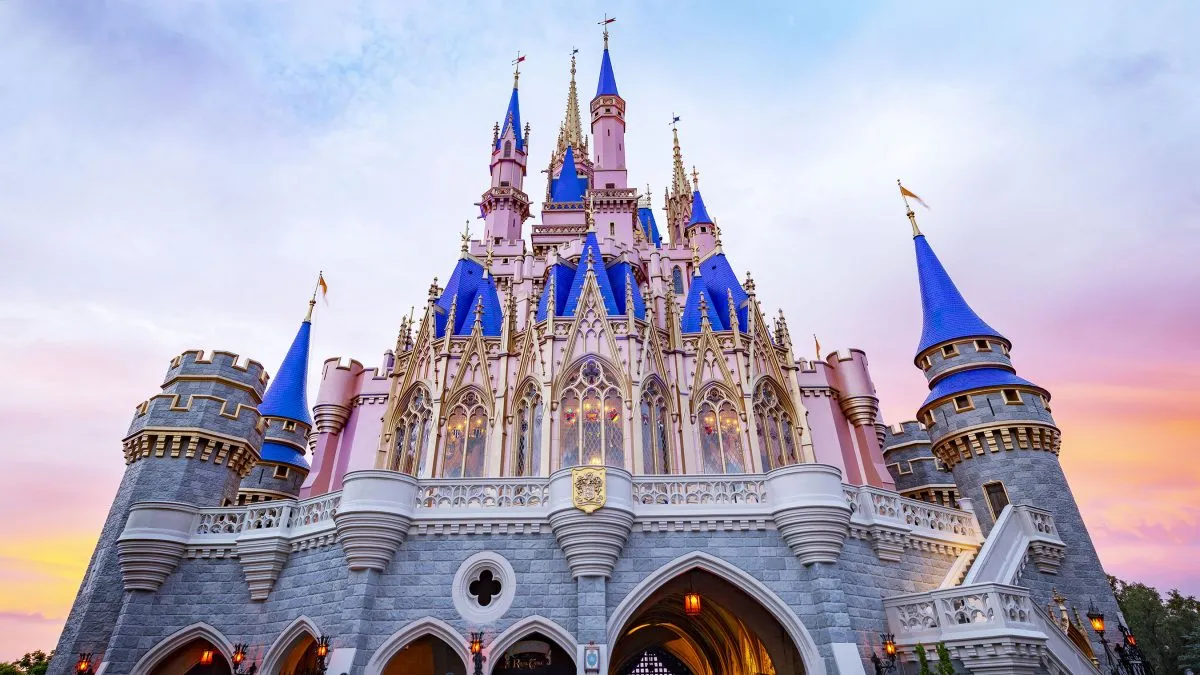
The data reveals that the Magic Kingdom, the resort’s flagship park, will see its peak single-day ticket price rise from $209 to $219, representing a $10 increase. EPCOT, which has undergone a multi-year transformation including the addition of "Guardians of the Galaxy: Cosmic Rewind" and the "Journey of Water, Inspired by Moana," will see the most significant jump, with peak prices climbing $15 from $199 to $214. Disney’s Hollywood Studios and Disney’s Animal Kingdom will see more modest increases of $5 each, bringing their peak daily rates to $209 and $189, respectively. These figures do not include the additional costs of the Park Hopper or Park Hopper Plus options, which are also slated for an average increase of $2 on peak dates.
A Detailed Breakdown of the 2027 Pricing Tiers
The implementation of date-based pricing, which Disney introduced several years ago, means that the cost of a ticket varies significantly depending on the projected demand for a specific day. While the headline-grabbing $219 price point for Magic Kingdom applies to the most popular days of the year—typically around Christmas, New Year’s Eve, and Thanksgiving—it serves as a benchmark for the increasing "ceiling" of theme park costs.
For the 2027 season, the pricing structure for single-day tickets during peak periods is as follows:
- Magic Kingdom: $219 (Up from $209)
- EPCOT: $214 (Up from $199)
- Disney’s Hollywood Studios: $209 (Up from $204)
- Disney’s Animal Kingdom: $189 (Up from $184)
The $15 increase at EPCOT is particularly noteworthy to industry analysts. This adjustment suggests that Disney now views EPCOT as nearly equal in "premium value" to the Magic Kingdom and Hollywood Studios, likely due to the successful integration of high-capacity thrill rides and the enduring popularity of its seasonal international festivals. Furthermore, the cost to upgrade a standard ticket to a Park Hopper—allowing guests to visit multiple parks in a single day—will also see a slight uptick, further increasing the total "per-capita" spending required for a full Disney experience.
Historical Context: The Evolution of Disney Admission Costs
To understand the magnitude of the 2027 price hikes, it is necessary to look at the historical trajectory of Walt Disney World admission. When the resort first opened in October 1971, a single-day adult ticket to the Magic Kingdom cost $3.50. Adjusted for inflation, that 1971 price would be approximately $27.00 in today’s economy. The fact that the peak price has now reached $219 highlights a rate of increase that has significantly outpaced the Consumer Price Index (CPI) over the last five decades.
The transition to the current date-based pricing model occurred in 2018, marking a fundamental shift in how the company manages its assets. By decoupling ticket prices from a flat rate and attaching them to specific dates, Disney gained the ability to incentivize guests to visit during "shoulder" seasons (slower periods) while maximizing revenue during the busiest weeks. However, as the "low" prices of the off-season have also steadily risen, the entry-level cost for a Disney vacation has moved further out of reach for some demographic segments.
Strategic Drivers Behind the Price Increases
Several internal and external factors contribute to Disney’s decision to raise prices nearly three years in advance. Primarily, the company is in the midst of a massive capital expenditure cycle. During the 2024 D23 Fan Event, Disney Experiences Chairman Josh D’Amaro announced a $60 billion investment plan for the Parks, Experiences, and Products division over the next decade. This includes the development of a new "Villains Land" at Magic Kingdom, a "Monsters, Inc." themed land at Hollywood Studios, and a complete overhaul of the DinoLand U.S.A. section at Animal Kingdom into a "Tropical Americas" region featuring Indiana Jones and Encanto attractions.
These multi-billion-dollar expansions require significant upfront capital and long-term revenue projections to satisfy shareholders. By locking in higher ticket prices for 2027, Disney is ensuring a revenue stream that can support the operational costs of these new ventures. Additionally, rising labor costs have played a role. Following negotiations with the Service Trades Council Union (STCU), which represents tens of thousands of Disney cast members, the company agreed to phased wage increases that will see minimum starting pay reach $20 per hour by 2026. Higher ticket prices are a direct method of offsetting these increased payroll expenses.
The Competitive Landscape and the Universal Factor
Disney does not operate in a vacuum, and its 2027 pricing strategy is likely influenced by the moves of its primary competitor, Universal Destinations & Experiences. Universal is currently preparing to open "Epic Universe" in 2025, a massive new theme park in Orlando that is expected to be a significant "game-changer" for the Central Florida tourism market.
Industry experts suggest that Disney’s 2027 price increases are a preemptive move to maintain its "premium" brand positioning. While Epic Universe will undoubtedly draw crowds away from Disney in the short term, Disney is betting that its brand loyalty and the sheer scale of its four-park resort will allow it to maintain high prices. There is also a "cluster effect" in Orlando tourism; when one major player raises prices, others often follow, as the market perceives a general increase in the value of the destination.
Consumer and Market Reactions
The reaction from the Disney enthusiast community has been a mixture of resignation and frustration. Travel agents specializing in Disney vacations note that while price hikes are expected annually, the jump in EPCOT’s pricing is particularly steep. "We are seeing a trend where families are opting for shorter stays or choosing to stay off-site to mitigate the rising cost of park tickets," said one Florida-based travel consultant. "The $200-per-day barrier was a psychological hurdle for many, and now that three of the four parks have surpassed that for peak dates, the ‘middle-class squeeze’ is becoming more apparent."
From an investment perspective, Wall Street analysts generally view these increases favorably. Disney’s Parks division has remained a consistent profit engine even as the company’s streaming and linear television segments have faced headwinds. High demand for the parks, evidenced by consistently high attendance despite previous price hikes, suggests that Disney still possesses significant "pricing power"—the ability to raise prices without a corresponding drop in demand.
Broader Implications for the Tourism Industry
The 2027 pricing schedule also has implications for the broader Central Florida economy. Walt Disney World is the region’s largest employer and a primary driver of hotel occupancy, restaurant revenue, and transportation demand. As the cost of a Disney ticket increases, there is a potential "trickle-down" effect. Guests with fixed budgets may spend less on dining outside the parks or choose lower-cost lodging, which could impact local businesses that rely on the Disney-bound tourist.
However, Disney is also pivoting toward a model that prioritizes "per-capita spending" over raw attendance numbers. By attracting fewer guests who spend more money—through premium offerings like Lightning Lane Multi Pass, VIP tours, and high-end dining—the company can reduce the physical strain on its infrastructure and staff while maintaining or increasing profit margins.
Looking Ahead: The Future of the Theme Park Experience
As 2027 approaches, the industry will be watching closely to see if these price increases impact the Disney "guest experience" rating. With higher prices comes higher expectations. Guests paying over $200 for a single day of admission expect seamless operations, minimal downtime for attractions, and high levels of cleanliness and service.
The 2027 ticket calendar is just one piece of a complex financial puzzle. Between now and then, Disney fans can likely expect further adjustments to annual pass prices, resort hotel rates, and the costs of add-on services. While the "magic" of Disney remains a powerful draw for millions, the financial barrier to entry continues to climb, redefining the Disney vacation from a standard American family tradition into an increasingly exclusive luxury experience.
In conclusion, the 2027 price hikes at Walt Disney World are a clear indication of the company’s confidence in its product and its commitment to a high-revenue, high-investment business model. As the Magic Kingdom nears the $220 mark for a single day, the conversation around the affordability and accessibility of "The Most Magical Place on Earth" is certain to intensify, even as the parks prepare to debut some of the most ambitious expansions in their history.