

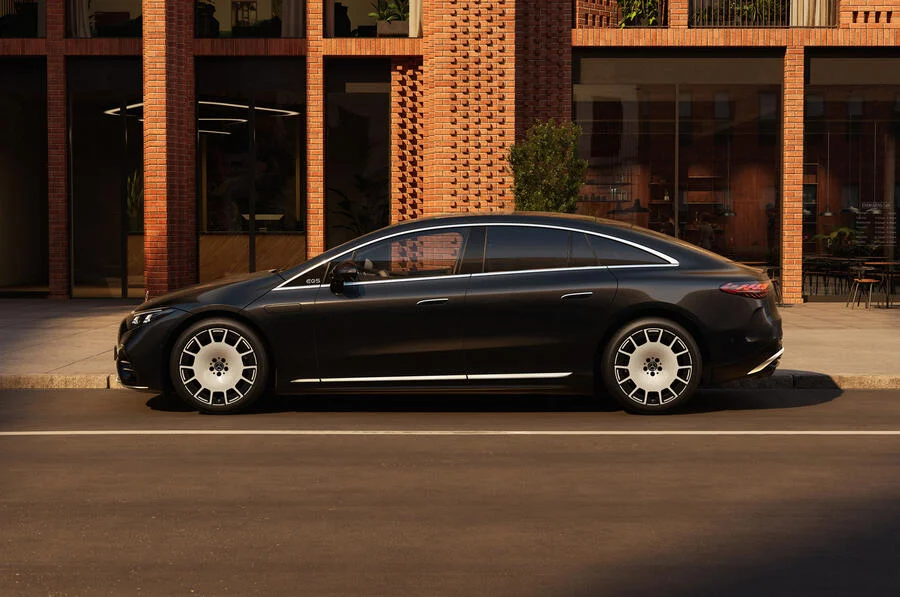
The Mercedes-Benz EQS, the electric vanguard of the German automaker’s "Lead in Electric" strategy, has undergone a comprehensive technical and aesthetic transformation for the 2026 model year. This mid-cycle refresh is designed to solidify its position as one of the longest-range electric vehicles (EVs) currently available on the global market. By integrating a more energy-dense battery chemistry, transitioning to a high-voltage electrical architecture, and introducing sophisticated chassis technologies, Mercedes-Benz aims to address previous criticisms while setting new benchmarks for efficiency and grand-touring capability. The flagship sedan now boasts a maximum range of 575 miles on the WLTP cycle, a figure that brings it within striking distance of the Lucid Air Grand Touring, the current industry leader in endurance.
Technical Evolution of the Flagship Powertrain
Central to the 2026 update is a significant enhancement of the EQS’s energy storage system. While the physical dimensions and weight of the battery pack remain unchanged, Mercedes-Benz engineers have successfully optimized the internal cell chemistry to increase usable energy content. The total battery capacity has been elevated from 118kWh to 122kWh, representing a 3% boost in density. This incremental hardware change, when paired with refined energy management software and aerodynamic optimizations, results in a substantial 13% increase in official range for the rear-wheel-drive EQS 450+.
The dual-motor, all-wheel-drive variants have also seen significant gains, with their range extending to 544 miles. These improvements are supported by a new generation of electric motors. According to Mercedes-Benz, these drive units represent a "generational leap," featuring a more compact design that reduces parasitic losses while increasing robust performance under sustained loads. Furthermore, the efficiency of the regenerative braking system has been drastically improved. The 2026 EQS can now recuperate energy at a rate of up to 385kW during deceleration—a one-third increase over the outgoing model—allowing for more effective energy recovery in stop-and-go traffic and high-speed braking scenarios.
A Paradigm Shift in Electrical Architecture
Perhaps the most critical technical update for the 2026 model year is the transition from a 400V electrical system to a 800V architecture. While the EQS continues to utilize the EVA2 platform, this migration represents a major engineering overhaul that addresses one of the primary competitive disadvantages of the earlier models. The move to 800V allows for significantly higher charging speeds and improved thermal efficiency.
The maximum DC fast-charging capacity has been raised from 200kW to 350kW. This upgrade aligns the EQS with the fastest public charging infrastructure currently being deployed across Europe and North America, such as the Ionity and Electrify America networks. To ensure compatibility with older or less powerful infrastructure, Mercedes-Benz has implemented a "virtual battery division" system. When connected to a 400V charger, the 800V battery can effectively split itself into two separate units, each charging at 175kW simultaneously. This ensures that the vehicle remains versatile across various charging environments without sacrificing the benefits of its high-voltage primary system.
Advanced Chassis and Steering Innovations
The 2026 EQS introduces a steer-by-wire system as an optional feature, a technology that marks the beginning of the end for the traditional mechanical steering column in luxury vehicles. By replacing the physical linkage with a digital connection, Mercedes-Benz has been able to save weight and free up space within the front bulkhead. This system allows for a variable steering ratio that is impossible with mechanical setups. The lock-to-lock range has been reduced to just 270 degrees, eliminating the need for hand-over-hand maneuvers during low-speed turns or parking. To complement this, the traditional steering wheel has been replaced with a yoke-style controller, providing an unobstructed view of the digital instrumentation.
Chassis dynamics have been further refined through an upgraded version of the Airmatic air suspension system. This new iteration, which shares components with the latest S-Class and the electric GLC, utilizes cloud-based data to enhance ride quality. By communicating with a central database, the vehicle can "anticipate" road imperfections such as potholes or speed bumps based on the experiences of other connected Mercedes-Benz vehicles. The dampers are adjusted in milliseconds before the car reaches the obstacle, ensuring a level of serenity consistent with the S-Class heritage.
Aerodynamic and Aesthetic Refinements
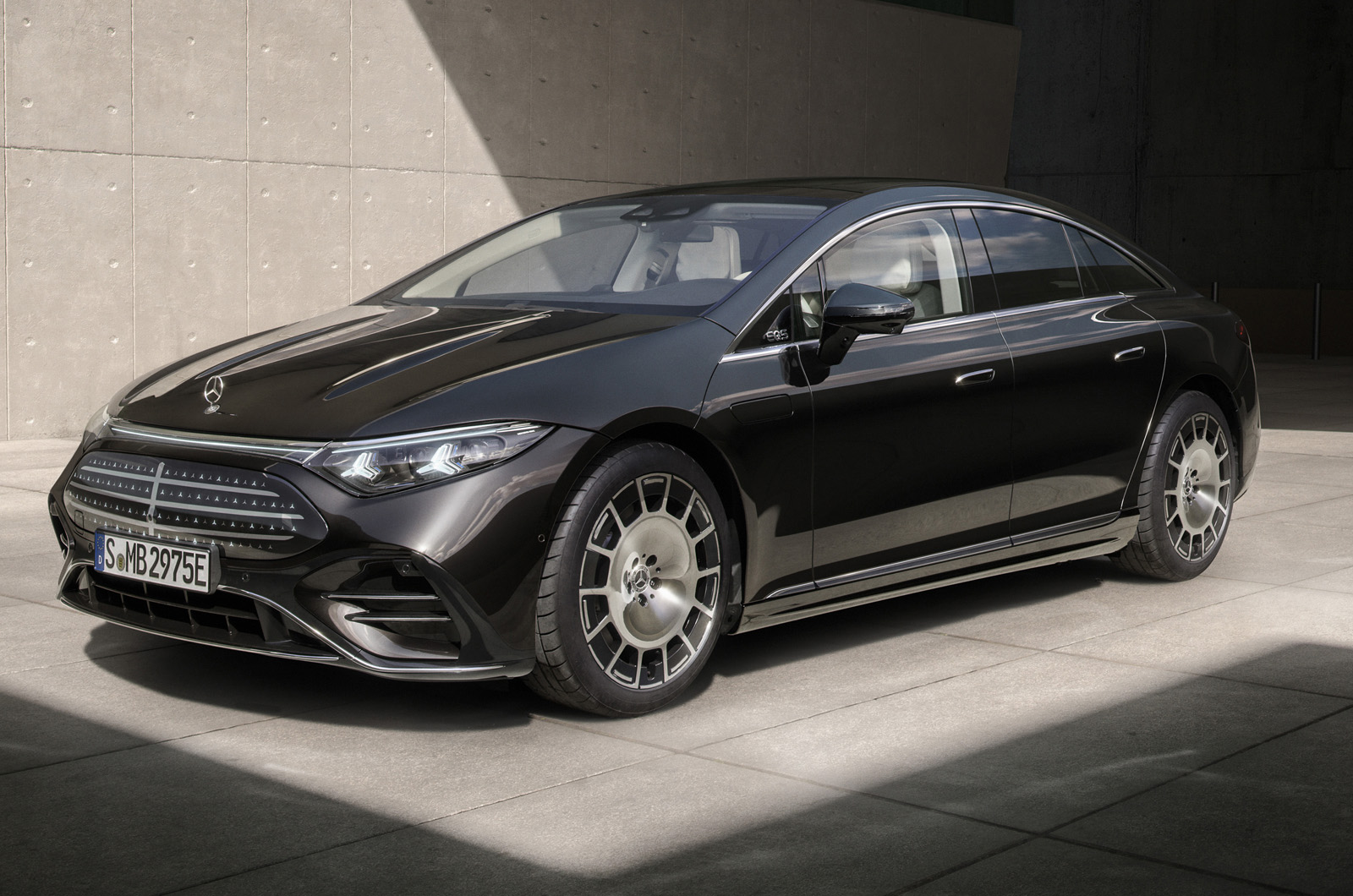
In the pursuit of maximum efficiency, Mercedes-Benz designers have resculpted the front end of the EQS. While the overall silhouette remains the familiar "one-bow" design, the front fascia has been optimized to reduce the coefficient of drag further. These changes are not merely functional; they also serve to give the EQS a more commanding road presence. The updated headlight clusters now illuminate a 40% wider field of vision while consuming 50% less energy than the previous units, contributing to the vehicle’s overall efficiency gains.
Inside, the EQS continues to feature the MBUX Hyperscreen as its centerpiece, but with updated processing power to handle the new steer-by-wire and cloud-linked suspension data. A new automatic reversing function has also been added, designed specifically for navigating tight driveways or narrow urban streets. The system can memorize the vehicle’s path for up to 50 meters and autonomously reverse the car along the exact same line, a feature particularly useful for a vehicle of the EQS’s considerable dimensions.
Historical Context and Market Strategy
The EQS was first launched in 2021 as the first model based on the dedicated EVA2 electric architecture. At the time, it was praised for its technological ambition but faced criticism for its polarising exterior design and the limitations of its 400V system when compared to rivals like the Porsche Taycan and the Lucid Air. Mercedes-Benz has been proactive in addressing these concerns, previously introducing a more traditional "standing star" grille option in 2024 to appeal to conservative S-Class loyalists.
The 2026 update represents the most significant evolution of the model to date. It serves as a bridge between the current generation of EVs and the upcoming MB.EA (Mercedes-Benz Electric Architecture) platform, which is expected to debut later this decade. By aggressively updating the EQS now, Mercedes-Benz is attempting to maintain its market share against an onslaught of new competitors. The BMW i7 has gained traction for its more traditional luxury proportions, while the Lucid Air continues to set the standard for American EV engineering. Additionally, the upcoming Jaguar Type 00—a high-performance grand tourer—is expected to target the same executive demographic, making the EQS’s range and charging upgrades essential for its survival.
Comparative Data and Performance Metrics
To understand the impact of these updates, one must look at the competitive landscape of the luxury EV segment. The 575-mile range of the EQS 450+ places it ahead of the BMW i7 xDrive60 (approx. 387 miles WLTP) and the Tesla Model S Dual Motor (approx. 447 miles WLTP). It only trails the Lucid Air Grand Touring, which offers an estimated WLTP range of approximately 520 to 580 miles depending on configuration.
| Feature | 2024 Mercedes EQS | 2026 Mercedes EQS |
|---|---|---|
| Battery Capacity (Net) | 118 kWh | 122 kWh |
| Max Range (WLTP) | 511 miles | 575 miles |
| Electrical Architecture | 400V | 800V |
| Max DC Charge Rate | 200 kW | 350 kW |
| Max Recuperation | 290 kW | 385 kW |
| Steering System | Mechanical Linkage | Optional Steer-by-Wire |
Broader Implications for the Automotive Industry
The 2026 EQS update signals a broader shift in the luxury automotive sector, where hardware longevity is increasingly tied to software and electrical sophistication. The move to 800V architecture is likely to accelerate the obsolescence of 400V luxury EVs, potentially impacting the resale values of earlier models. However, for the consumer, the benefits are clear: reduced "range anxiety" and significantly shorter dwell times at charging stations.
Industry analysts suggest that Mercedes-Benz’s decision to invest so heavily in a mid-cycle refresh reflects the intense pressure on traditional legacy automakers to match the vertical integration of EV startups. By improving motor efficiency and battery density without increasing the vehicle’s footprint, Mercedes is demonstrating that there is still significant headroom for optimization within existing platform constraints.
Furthermore, the introduction of steer-by-wire and cloud-based suspension management highlights the increasing importance of "software-defined vehicle" (SDV) capabilities. As Mercedes-Benz prepares for the 2026 launch, the EQS stands as a testament to the brand’s commitment to reclaiming its status as the "best car in the world," regardless of the powertrain. The success of this updated flagship will likely dictate the technological trajectory for the smaller EQE and the next generation of Mercedes-Benz SUVs, ensuring that the lessons learned on the EQS are propagated across the entire model range.