


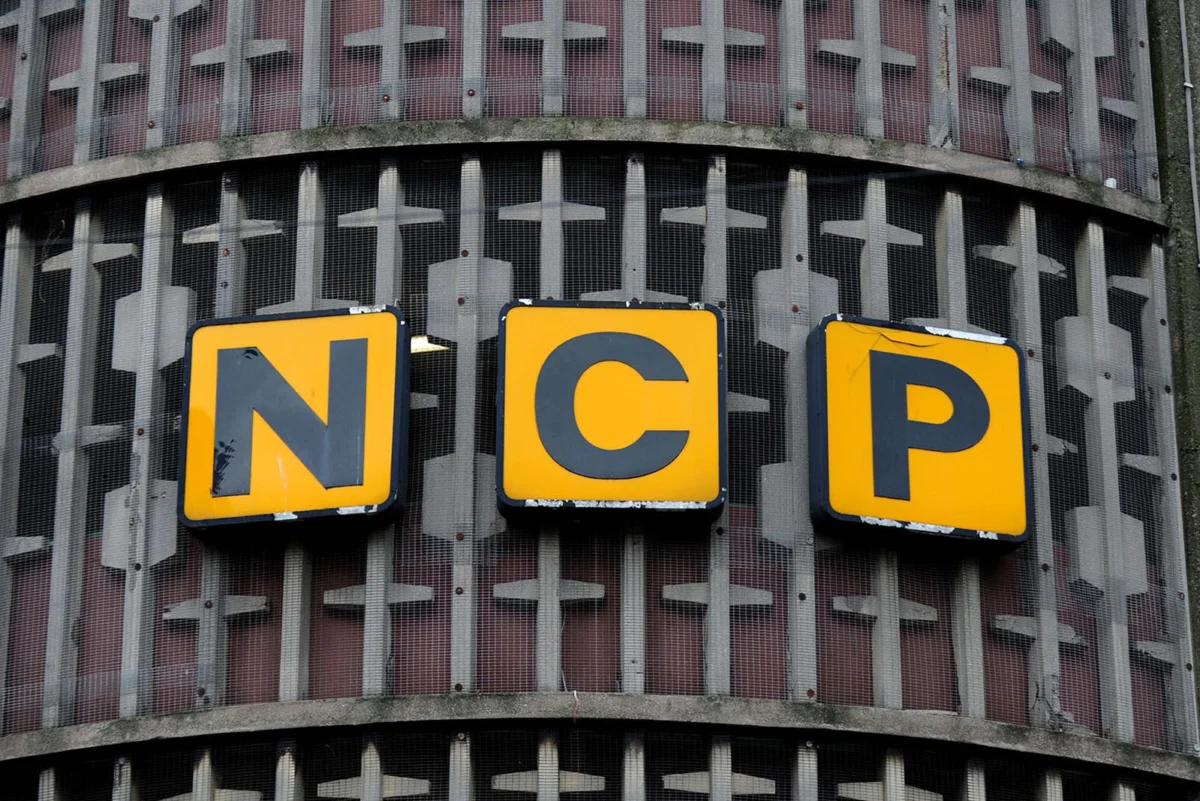
National Car Parks (NCP), the United Kingdom’s most prominent parking operator, has officially entered administration, marking a significant turning point for a business that has been a staple of British urban infrastructure for nearly a century. The company, which manages a vast portfolio of approximately 340 car parks across the country, has appointed specialists from the "Big Four" accounting firm PwC to oversee the proceedings. The move is described by the company and its advisors as a necessary step to "stabilise" the business following years of mounting financial pressure and a fundamental shift in consumer behavior that was accelerated by the global pandemic.
The decision to seek administration comes after NCP reported a staggering pre-tax loss of £26.8 million for the financial year ending September 30, 2023. Despite being the market leader in the UK, the company has found itself trapped between a dwindling revenue stream and a rigid, high-cost operating model. According to statements from the appointed administrators, the business currently lacks the liquidity required to meet its ongoing financial obligations, leaving the board of directors with no alternative but to seek formal insolvency protection.
The Catalyst: A Permanent Shift in Commuting Patterns
The primary driver behind NCP’s current predicament is the structural change in how the British workforce interacts with city centers. Prior to 2020, NCP’s business model relied heavily on the predictable "Monday to Friday" commuter. Professional workers driving into major hubs like London, Manchester, Birmingham, and Leeds provided a steady, high-margin revenue stream through season tickets and daily parking fees.
However, the COVID-19 pandemic acted as a catalyst for a permanent transition toward hybrid and remote working. Data from the Office for National Statistics (ONS) indicates that while physical office attendance has seen a partial recovery, it remains significantly below 2019 levels. Many white-collar employees now commute only two or three days a week, often choosing mid-week days that leave car parks underutilized on Mondays and Fridays.
PwC noted that "demand for parking has not recovered to historic levels," a sentiment echoed by industry analysts who suggest that the "peak car" era for city centers may have passed. This drop in volume has been particularly damaging for NCP because of its specific geographic footprint, which is heavily weighted toward business districts and transit hubs that have been most affected by the work-from-home trend.
The Burden of Inflexible Ground Leases
While falling demand created a revenue crisis, NCP’s inability to adjust its cost base exacerbated the situation. The company operates many of its sites under long-term ground leases with institutional landlords. These contracts are often described as "inflexible," frequently featuring upward-only rent reviews and long durations that do not allow for easy exits.
Unlike a retail business that might quickly shutter underperforming stores, NCP’s lease obligations have historically made it difficult to close less popular sites without incurring massive financial penalties. This "high fixed cost base," as described by administrator Zelf Hussain, meant that even as revenue plummeted, the company was still required to pay pre-pandemic rent levels.
In 2021, the company attempted to address this through a major restructuring plan, seeking to cut rents and exit certain loss-making contracts. While that plan provided temporary relief, it was evidently insufficient to offset the continued decline in footfall and the rising costs of maintenance, business rates, and utilities.
Financial Dependency and the Role of Park24 Co
NCP’s survival over the last few years has been largely contingent on the deep pockets of its parent company, the Japanese parking giant Park24 Co. Park24, which acquired NCP in 2017 in a deal worth approximately £312 million (in partnership with the Development Bank of Japan), has provided significant financial lifelines to its UK subsidiary.
The 2023 financial accounts made it clear that NCP was "reliant on the financial support" of Park24 to remain a going concern. However, even the support of a global parent has its limits. The persistent losses in the UK market, coupled with the slow pace of recovery, likely forced a reassessment of the level of capital Park24 was willing to inject into a struggling operation. The appointment of administrators suggests that the parent company is no longer prepared to subsidize the UK losses without a radical restructuring of the business’s debt and lease obligations.
A Timeline of Decline
To understand the gravity of the current situation, it is necessary to look at the timeline of NCP’s recent challenges:
- August 2017: Park24 Co and the Development Bank of Japan acquire NCP, aiming to leverage the UK firm’s market dominance to expand their European footprint.
- March 2020: The UK enters its first national lockdown. Car park occupancy drops by over 90% almost overnight.
- 2021: Facing a liquidity crisis, NCP launches a restructuring plan (similar to a Company Voluntary Arrangement) to renegotiate leases with landlords. The plan is met with some resistance but eventually moves forward.
- 2022-2023: Hybrid working becomes the "new normal." While leisure travel recovers, the high-value daily commuter market remains depressed.
- September 2023: NCP records a £26.8 million annual loss, highlighting the failure of the business to return to profitability post-pandemic.
- Late 2024: With cash reserves exhausted and the parent company’s support reaching its ceiling, NCP officially enters administration.
The Immediate Impact on Operations and Employment
For the 682 employees currently working for NCP, the administration process introduces a period of significant uncertainty. However, PwC has moved quickly to reassure staff and customers that there will be no immediate cessation of services.
"Our priority on appointment is to ensure continuity of service while we undertake a detailed review of the business," stated Zelf Hussain. This means that for the time being, NCP-managed car parks will remain open, and digital booking systems will continue to function. The goal of the administration is not immediate liquidation, but rather a "stabilisation" that could lead to several outcomes:
- A Sale of the Business: PwC may look for a buyer interested in acquiring the brand and its most profitable sites. This could attract private equity firms or rival parking operators looking to increase their market share at a discount.
- Site Closures: The administrators will likely use their powers to exit the most "toxic" leases—those where the rent significantly outweighs the revenue—allowing the company to emerge as a smaller, leaner entity.
- Debt Restructuring: Negotiating with creditors to write down debt in exchange for a stake in a reorganized company.
Broader Implications for the UK Parking Industry
The fall of NCP into administration is a bellwether for the wider UK parking and urban property sector. It highlights several emerging risks that other operators are also facing:
The "Clean Air" and Environmental Factor
Beyond the pandemic, NCP has had to contend with an increasingly hostile environment for urban driving. The expansion of London’s Ultra Low Emission Zone (ULEZ) and the introduction of Clean Air Zones (CAZ) in cities like Bristol, Birmingham, and Glasgow have discouraged some motorists from driving into city centers. Furthermore, local councils have been aggressively promoting public transport and cycling, often reducing on-street parking or increasing its cost to deter car use.
The Rise of Digital Competitors
NCP has also faced stiff competition from "asset-light" digital platforms like JustPark and YourParkingSpace. These platforms allow private individuals and businesses to rent out their driveways or private lots, often at prices that undercut traditional multi-story car parks. While NCP has invested in its own app and digital presence, it remains burdened by the physical costs of maintaining aging concrete structures—costs that its digital-first competitors do not share.
The Institutional Landlord Dilemma
The administration puts institutional landlords in a difficult position. Many pension funds and real estate investment trusts (REITs) rely on the steady income from NCP leases. If PwC successfully negotiates significant rent reductions or exits, these landlords will be left with large, specialized structures that are difficult and expensive to repurpose. Converting a multi-story car park into residential or office space is a complex engineering feat that often requires total demolition and reconstruction.
Analysis: The Path Forward
The administration of NCP is a classic example of a "legacy" business model failing to adapt to a "black swan" event. While the pandemic was the trigger, the underlying issues—heavy debt, inflexible contracts, and a changing social contract regarding work—were already simmering.
The "stabilisation" mentioned by PwC will almost certainly involve a smaller NCP. The UK’s urban landscape is changing; the era of the 1,000-space concrete monolith in the center of a business district may be nearing its end. Future success for NCP, or whoever acquires its assets, will likely depend on diversification. This could include transforming car parks into "mobility hubs" that feature extensive Electric Vehicle (EV) charging infrastructure, "last-mile" delivery hubs for Amazon or DHL, or even dark kitchens for food delivery services.
For now, the focus remains on the immediate financial health of the firm. With 340 sites and nearly 700 jobs at stake, the outcome of PwC’s review will have a ripple effect across dozens of UK cities. As the administrators begin their work, the story of NCP serves as a stark reminder that in the post-pandemic economy, even the most established market leaders are not immune to the forces of structural change.