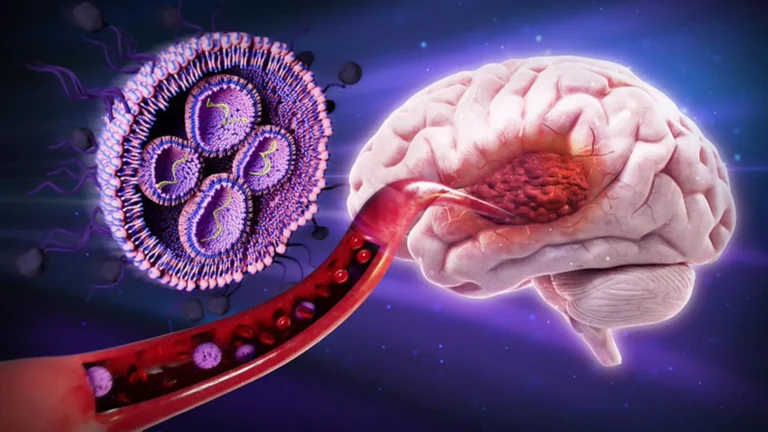



Researchers have uncovered how a mysterious ion channel helps cells break down waste, opening new possibilities for treating Parkinson’s disease. This groundbreaking discovery, detailing the long-debated function of the TMEM175 ion channel, sheds light on the intricate mechanisms governing cellular health and offers a potential new avenue for therapeutic intervention in neurodegenerative disorders.
The Cell’s Overflow System: A New Perspective on Lysosomal Acidity
In a significant breakthrough published in the prestigious journal Proceedings of the National Academy of Sciences (PNAS), a collaborative team of scientists from Bonn-Rhein-Sieg University of Applied Sciences (H-BRS), LMU Munich, TU Darmstadt, and Nanion Technologies has illuminated the crucial role of the TMEM175 ion channel. Led by Professor Christian Grimm of LMU Munich and Dr. Oliver Rauh of H-BRS, the research elucidates how this enigmatic protein acts as a vital safeguard within the cell’s waste disposal system, the lysosome, preventing it from becoming excessively acidic.
Lysosomes, often referred to as the cell’s recycling centers, are membrane-bound organelles responsible for breaking down a wide array of cellular debris, damaged organelles, and ingested materials. This complex degradative process is critically dependent on a highly acidic internal environment, typically maintained at a pH between 4.5 and 5.0. This acidity is achieved and meticulously regulated by a proton pump that actively transports hydrogen ions (H+) into the lysosome. However, the precise fine-tuning of this delicate pH balance, and the mechanisms that prevent an uncontrolled influx of protons, have remained a subject of intense scientific inquiry for years.
The new study posits that TMEM175 functions as an "overflow valve" within the lysosomal membrane. This remarkable finding suggests that the channel actively participates in regulating the proton concentration, thereby preventing the lysosomal environment from becoming overly acidic. This precise pH control is not merely an academic curiosity; it is fundamental to the efficient functioning of the enzymes responsible for breaking down proteins, lipids, carbohydrates, and nucleic acids. When this equilibrium is disrupted, the cell’s ability to clear out waste is compromised, leading to the accumulation of toxic byproducts.
Deciphering TMEM175: From Enigma to Essential Regulator
The journey to understanding TMEM175 has been a long and arduous one. For years, its exact cellular localization and functional significance were largely unknown, earning it the unassuming moniker "transmembrane protein 175." Its potential importance began to emerge as research linked dysfunctions in lysosomal pathways to various aging-related conditions and a spectrum of neurodegenerative diseases, most notably Parkinson’s disease.
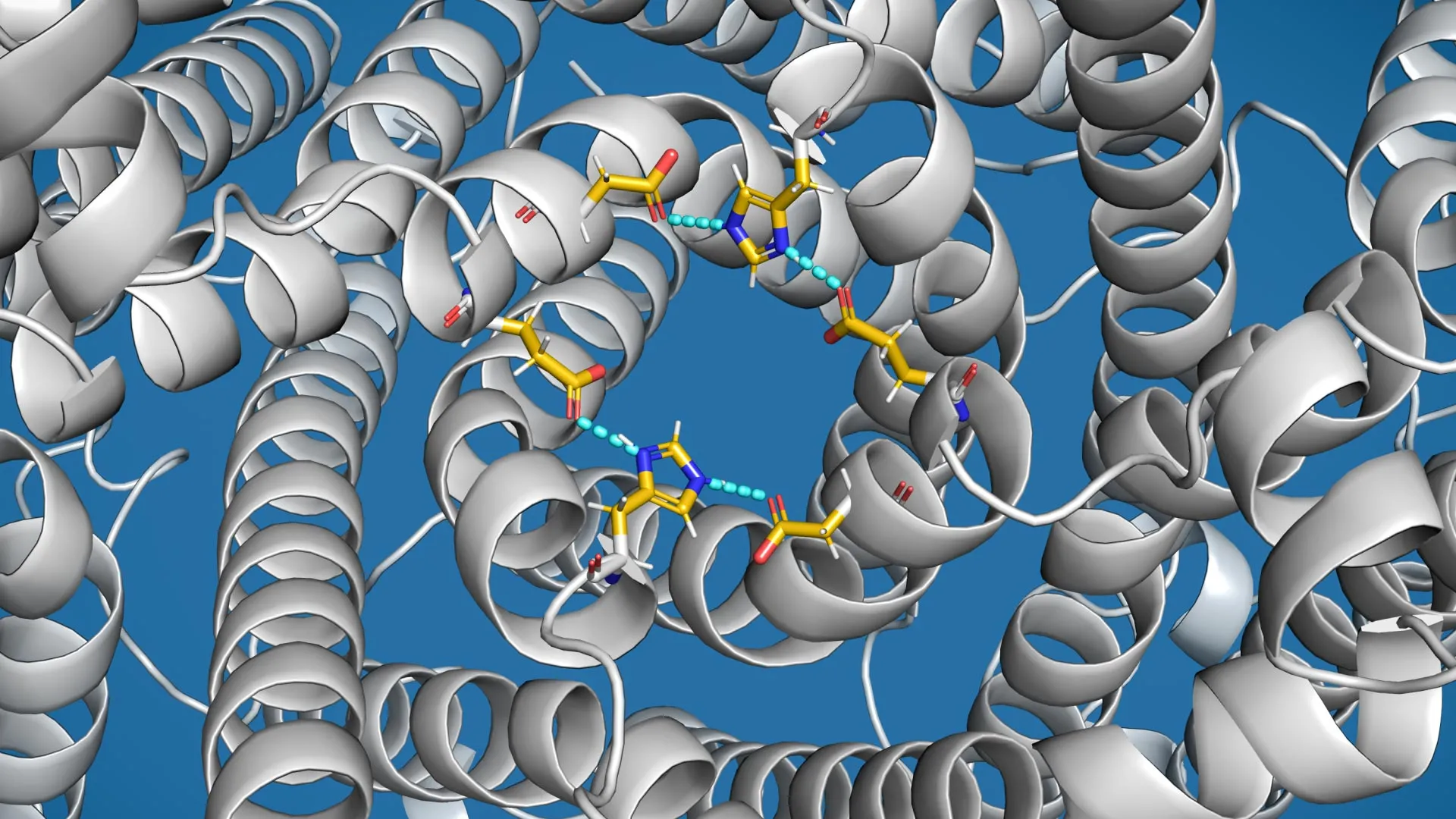
Initial investigations confirmed that TMEM175 is indeed an ion channel, a protein embedded in cellular membranes that facilitates the passage of charged particles (ions) across those membranes. However, a significant debate persisted within the scientific community regarding its primary role: did it predominantly transport potassium ions (K+) or protons (H+), and how did these transport activities influence cellular processes in both health and disease?
The PNAS study provides a definitive answer. Dr. Oliver Rauh, who moved from TU Darmstadt to H-BRS to pursue this research within the CytoTransport collaboration, described TMEM175 as "by far the strangest" ion channel he has encountered in his extensive career. He recounted the initial assumption that TMEM175 was primarily a potassium channel, with its actual function remaining a profound mystery when the project commenced approximately six years ago.
"We’ve now been able to demonstrate that TMEM175 not only conducts potassium ions, but also protons, and is thus directly involved in the regulation of pH — that is, the proton concentration — in the interior of lysosomes," stated Dr. Rauh. This dual functionality is key to its role as a pH regulator.
Experimental Evidence: The Patch Clamp and Proton Sensing
The experimental bedrock of this research lies in the meticulous application of advanced electrophysiological techniques, particularly the patch clamp method. Professor Christian Grimm, an expert in measuring electrical activity across cellular membranes, explained how this technique was instrumental in their investigation. "Most of the experiments were conducted using the patch clamp method," he elaborated. "This method allowed the team to analyze how the channel behaves under different conditions."
By applying this method to lysosomal membranes, the researchers were able to observe TMEM175’s behavior in real-time. Their findings revealed a remarkable property: TMEM175 acts as a pH sensor. It can detect when the acidity within the lysosome reaches a critical threshold and subsequently adjusts the flow of protons accordingly. This suggests a sophisticated feedback mechanism, where the channel actively contributes to maintaining the optimal acidic environment rather than simply being a passive conduit.
The implications of this discovery are far-reaching. In healthy cells, TMEM175’s role in maintaining the ideal pH ensures the efficient degradation of cellular waste. Conversely, mutations or malfunctions in this ion channel can lead to impaired pH regulation within lysosomes. This imbalance can then result in the incomplete or inefficient degradation of proteins, including crucial proteins involved in neuronal function. The accumulation of misfolded or undegraded proteins is a hallmark of many neurodegenerative diseases, including Parkinson’s.
Parkinson’s Disease: A Direct Link and Therapeutic Potential
The connection between lysosomal dysfunction and neurodegenerative diseases like Parkinson’s has been a growing area of research. Parkinson’s disease is characterized by the progressive loss of dopaminergic neurons in the substantia nigra region of the brain, leading to motor symptoms such as tremors, rigidity, and slowed movement. A key pathological feature of Parkinson’s is the accumulation of aggregated alpha-synuclein protein within neurons, forming Lewy bodies.
Previous studies have implicated impaired autophagy and lysosomal clearance pathways in the pathogenesis of Parkinson’s. The current research by Grimm, Rauh, and their colleagues provides a crucial molecular link by identifying TMEM175 as a critical player in the lysosomal machinery that may be compromised in these diseases.
"Our study establishes that the ion channel TMEM175 plays a decisive role here," emphasized Dr. Oliver Rauh. He further elaborated on the implications for neurodegeneration: "When mutations disrupt this channel, pH regulation is impaired. As a result, proteins are not properly degraded, which can lead to the death of nerve cells."
The authors conclude that their findings lay "an important foundation for a better understanding of functional processes in lysosomes and the function of the TMEM175 channel, which was contested before now." Crucially, they highlight the therapeutic potential: "At the same time, our insights into the protein TMEM175 offer a promising target structure for the development of drugs to treat or prevent neurodegenerative diseases like Parkinson’s."
Broader Implications: Aging, Cellular Health, and Beyond
The significance of this research extends beyond Parkinson’s disease. Lysosomal dysfunction is increasingly recognized as a contributor to the aging process itself and a wide range of other age-related diseases, including Alzheimer’s disease, Huntington’s disease, and various forms of lysosomal storage disorders. By clarifying the fundamental mechanisms of lysosomal pH regulation mediated by TMEM175, this study opens doors for interventions that could potentially slow down cellular aging and mitigate the progression of multiple age-related pathologies.
The ability to modulate the activity of the TMEM175 channel could lead to the development of novel therapeutic strategies. These might involve small molecules that enhance TMEM175 function in individuals with impaired channels, or gene therapy approaches aimed at restoring proper TMEM175 expression. Such interventions could bolster the cell’s intrinsic waste disposal capabilities, thereby preventing the buildup of toxic aggregates and protecting vulnerable cell populations, particularly neurons.
Future Directions and Collaborative Research
The research team’s success underscores the power of interdisciplinary collaboration, bringing together expertise in molecular biology, electrophysiology, and biophysics. The ongoing work within the CytoTransport collaboration at H-BRS aims to further unravel the intricate details of TMEM175’s structure and function. Future research will likely focus on:
- Detailed structural analysis: Understanding the three-dimensional structure of TMEM175 will be crucial for designing targeted drugs.
- Investigating specific mutations: Identifying and characterizing the TMEM175 mutations associated with Parkinson’s disease and other neurodegenerative conditions.
- Developing pharmacological modulators: Screening for compounds that can selectively activate or inhibit TMEM175 activity, thereby restoring lysosomal homeostasis.
- Exploring TMEM175’s role in other cell types: Investigating whether TMEM175 plays similar regulatory roles in other cellular compartments or tissues.
The journey from identifying a mysterious protein to understanding its fundamental role in cellular health and disease is a testament to scientific perseverance. The elucidation of TMEM175’s function as a lysosomal overflow valve represents a significant leap forward in our understanding of cellular waste management and offers renewed hope for the development of effective treatments for devastating neurodegenerative diseases. This discovery not only addresses a long-standing scientific puzzle but also paves the way for innovative therapeutic strategies that could profoundly impact human health.